
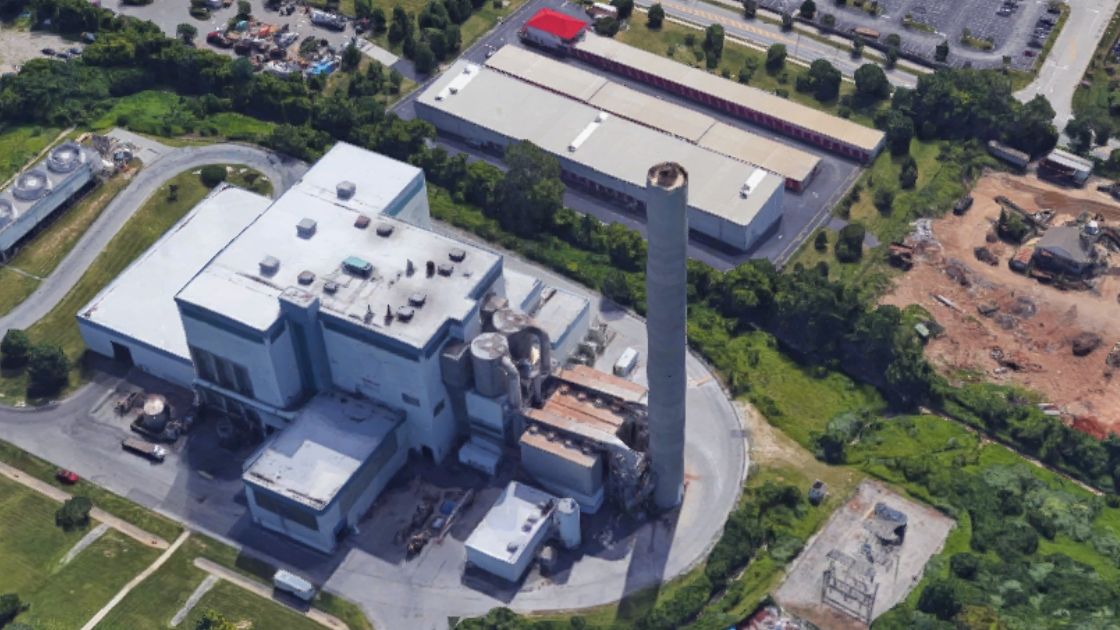
Over the past year, we have been watching a debate in Philadelphia over whether it should continue sending its trash to the Reworld incinerator in Chester solely because Reworld’s other facility is in Conshohocken (Plymouth Township). While all the focus in this debate was on the Chester facility, just under 10% of Philly’s trash is sent to Conshohocken.
Environmental activists have long pointed to Reworld’s facilities as major sources of air pollution. These facilities burn non-recyclable municipal solid waste at high temperatures to turn water into steam. The steam then spins turbines, and electricity is generated and pushed to the grid. According to Reworld, the facility in Conshohocken produces 32 MW of electricity, which can power about 20,000 homes. Environmental activists involved in this issue suggest that it is better for the environment for the trash to go to a landfill, which is now the likely outcome for Philadelphia’s trash.
While we understood the racial argument (Philadelphia sending its trash to a low-income community to be burned), it never made sense to us in reality. As noted, the other facility is in Conshohocken. The communities of Conshohocken and Plymouth are breathing the same air pollution as they do in Chester (yes, we know the Chester facility is larger).
As you may remember, Reworld’s facility in Conshohocken had a series of problems between 2018 and 2020 (with another in 2023) that led to its overhaul. During this time, those in the nearby neighborhoods complained of odors and noise. After three unplanned shutdowns following the loss of power, the facility released excess emissions, visible fugitive emissions, and odors. Reworld (then known as Covanta) was investigated by the Pennsylvania Department of Environmental Protection and agreed to pay a $218,393 civil penalty.
During this period, local and environmental advocates advocated for the Borough of Conshohocken, Borough of West Conshohocken, Plymouth Township, and Whitemarsh Township to stop using the facility and send their trash to a landfill.
Only Whitemarsh made the switch and raised its fee for trash removal by $60 to pay for the more expensive process of landfilling. Whitemarsh outsources its trash removal.
Conshohocken, West Conshohocken, and Plymouth all collect their own trash. Costs associated with trucking trash to a landfill were cited as reasons to not make a switch. Those costs involve employee time, wear and tear on vehicles, and fuel. There were also environmental issues, such as driving the trucks for longer, which adds to the local air pollution. Landfills themselves are also not environmentally friendly.
It was also pointed out that even if the municipalities surrounding the facility stopped using it, it wouldn’t close. It could still operate, and any air pollution wouldn’t necessarily cease.
Mike Newell, executive director of Energy Justice Network and author of the Stop Trashing Our Air Act in the Philadelphia City Council, was active in advocating for a switch away from incineration when Reworld’s facility in Conshohocken was experiencing issues. Newwell stresses that “incineration is far more polluting than landfilling and impacts far more people,” citing a life cycle assessment study conducted by Delaware County and research by Energy Justice Network.
“Now is the time for Montco municipalities to follow Philly’s lead and choose less harmful waste disposal options, while working to reduce waste with proven Zero Waste strategies,” said Ewall. “Delaware County has committed to end incineration as well and will be steering half of its waste away from the incinerator in Chester, the nation’s largest, in 2027.”
Let us know in the comments on Facebook what you think. Is it time for the other municipalities to make the switch?
Photo – Google